10 hr
Douro Valley Wine Experience with River Cruise & Lunch
- Expert local guide
- Small group
- Skip-the-line access
- Free cancellation
Douro Valley Wine Tours From Pinhão — River, Quintas & Reserve Entry
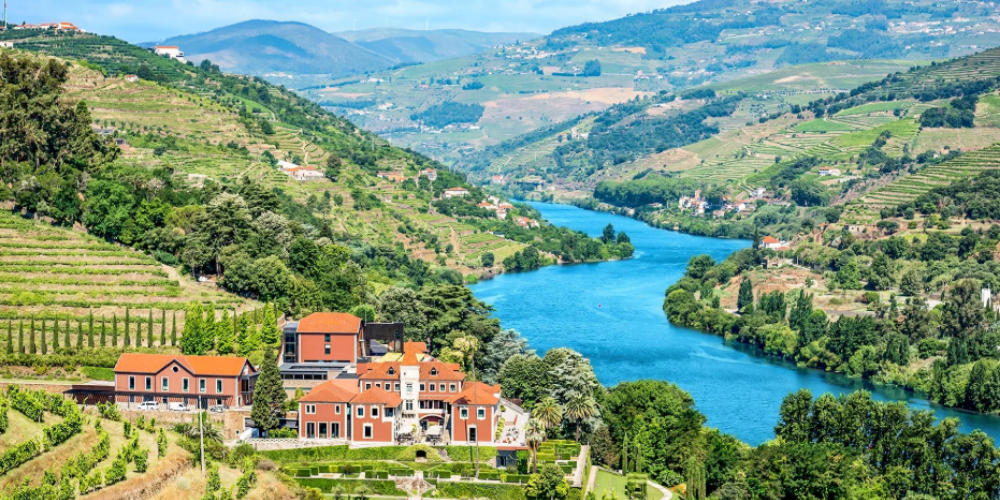
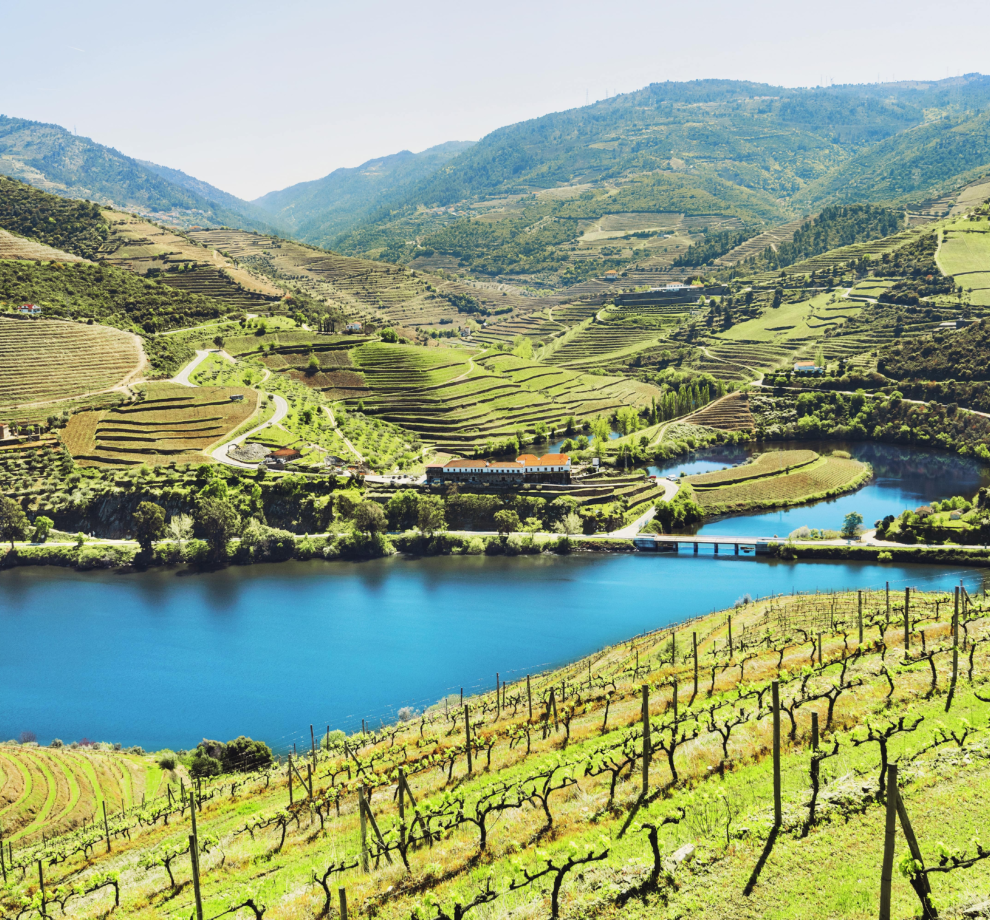
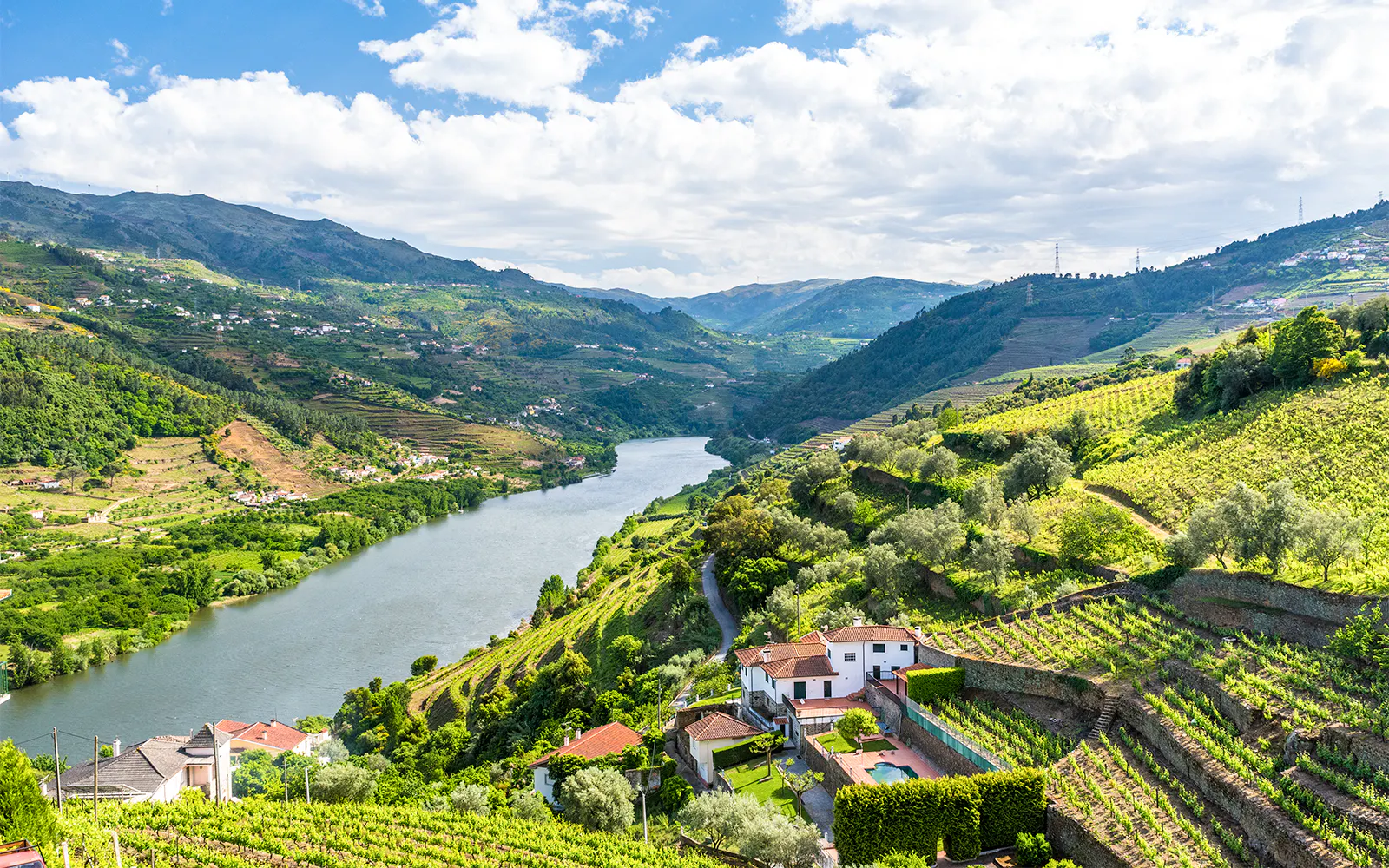
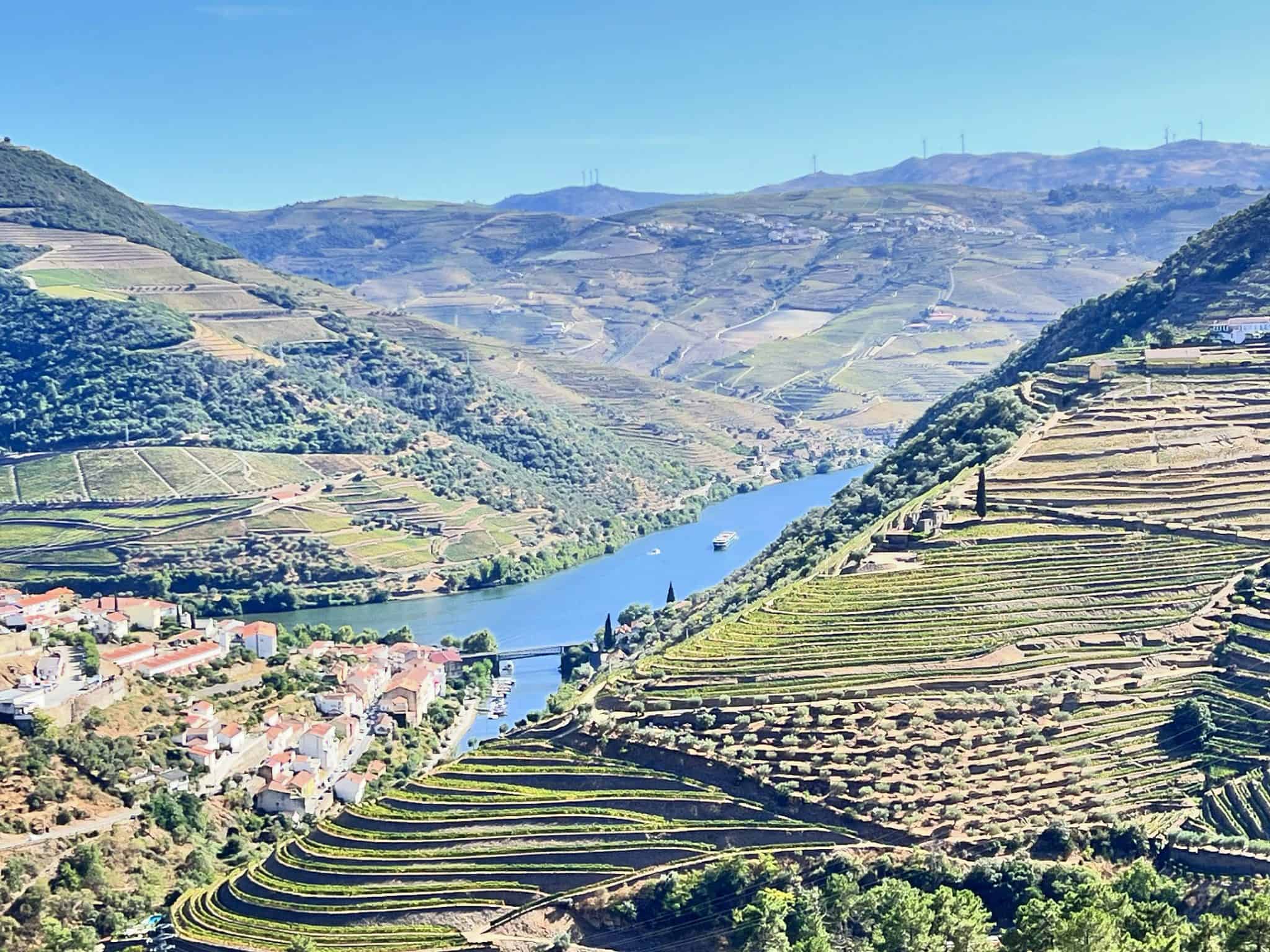
Terraced vineyards meet the river, port cellars open their gates
Compare fares, pick the fit — all bookings are mobile-voucher and eligible for free cancellation where shown.
10 hr
10 hr
10 hr
| Experience | Duration | Rating | Transfers | Pickup | Guide | Free cancel. | Price | |
|---|---|---|---|---|---|---|---|---|
|
Guided Experience
Most popular
Douro Valley Wine Experience with River Cruise & Lunch
|
10 hr | ★ 4.7 | ✓ | ✓ | ✓ | ✓ | €55 | Book → |
|
Guided Experience
Douro Valley Wine Tour with River Cruise from Porto
|
10 hr | ★ 4.7 | ✓ | ✓ | ✓ | ✓ | €54 | Book → |
|
Luxury / Private
Porto: Dual Wine Region Tour with Private Boat & Farm Lunch
|
10 hr | ★ 4.9 | — | — | ✓ | ✓ | €95 | Book → |
Worth it for wine enthusiasts seeking estate access
Douro Valley wine tours from Pinhão deliver value through curated winery access that independent visitors cannot easily replicate. The town itself is free to explore, but organized experiences bundle estate visits, barrel-room tastings, and river cruises into half-day or full-day itineraries. Packages typically combine two to three quintas with a traditional rabelo boat cruise and lunch featuring regional cuisine. For travelers already in the valley, these tours eliminate logistical friction—navigating narrow terraced roads, securing advance winery reservations, and coordinating transportation between estates scattered across steep slopes. The pricing reflects private quinta access and wine education from estate managers rather than simple sightseeing. Solo travelers and wine novices may find better value exploring Pinhão's riverside promenade and booking a single quinta visit independently. Serious oenophiles and groups benefit most: the door-opening convenience and depth of terroir education justify the investment when compared to self-guided attempts that often yield only tasting-room pours without vineyard context.
Bottom line: Book a Douro Valley wine tour from Pinhão if estate immersion matters more than spontaneous wandering.
Choosing a base depends on your proximity to the riverfront; Pinhão offers deep immersion into the quintas, while Porto provides easier logistics for day trippers seeking a douro valley wine tours from pinhao tour experience.
|
Top pick Pinhão Tours |
Porto-based Tours | |
|---|---|---|
| Travel time from city center | 0 minutes | 2–2.5 hours |
| Atmosphere | Intimate and rural | Busy and touristic |
| Accessibility to vineyards | Immediate walking distance | Requires shuttle or driving |
| Flexibility of pace | Fully customizable | Fixed schedule |
| Transportation requirements | Minimal or walking | Full-day coach or van |
| See tickets & prices |
Verdict: If you prioritize authentic vineyard access over convenience, douro valley wine tours from pinhao tickets are superior, whereas Porto-based options better suit those requiring all-inclusive transit.
Hand-picked experiences loved by thousands of travelers
7 - 10 hours
Free Cancellation
Explore Portugal's legendary wine country with tastings, a scenic river journey, and regional cuisine
3 hours
Free Cancellation
Cruise the Douro River and taste exceptional wines at a family-run estate in Portugal's most scenic wine region.
10 hours
Free Cancellation
Explore Portugal's premier wine country with tastings at three distinct wineries and a traditional lunch
2 hours
Free Cancellation
Navigate the UNESCO Douro Valley aboard a traditional wooden boat, savoring port wine amid terraced vineyards
6 - 9.5 hours
Free Cancellation
UNESCO vineyard landscapes, family winery brunch, river cruise with sparkling wine, and N222 views
10 hours
Free Cancellation
Full-day wine adventure through two valleys with expert guidance, tastings at family estates, and a scenic boat ride.
9 hours
Free Cancellation
Explore UNESCO-protected terraces, taste at family estates, cruise from Pinhão, and lunch among the vines
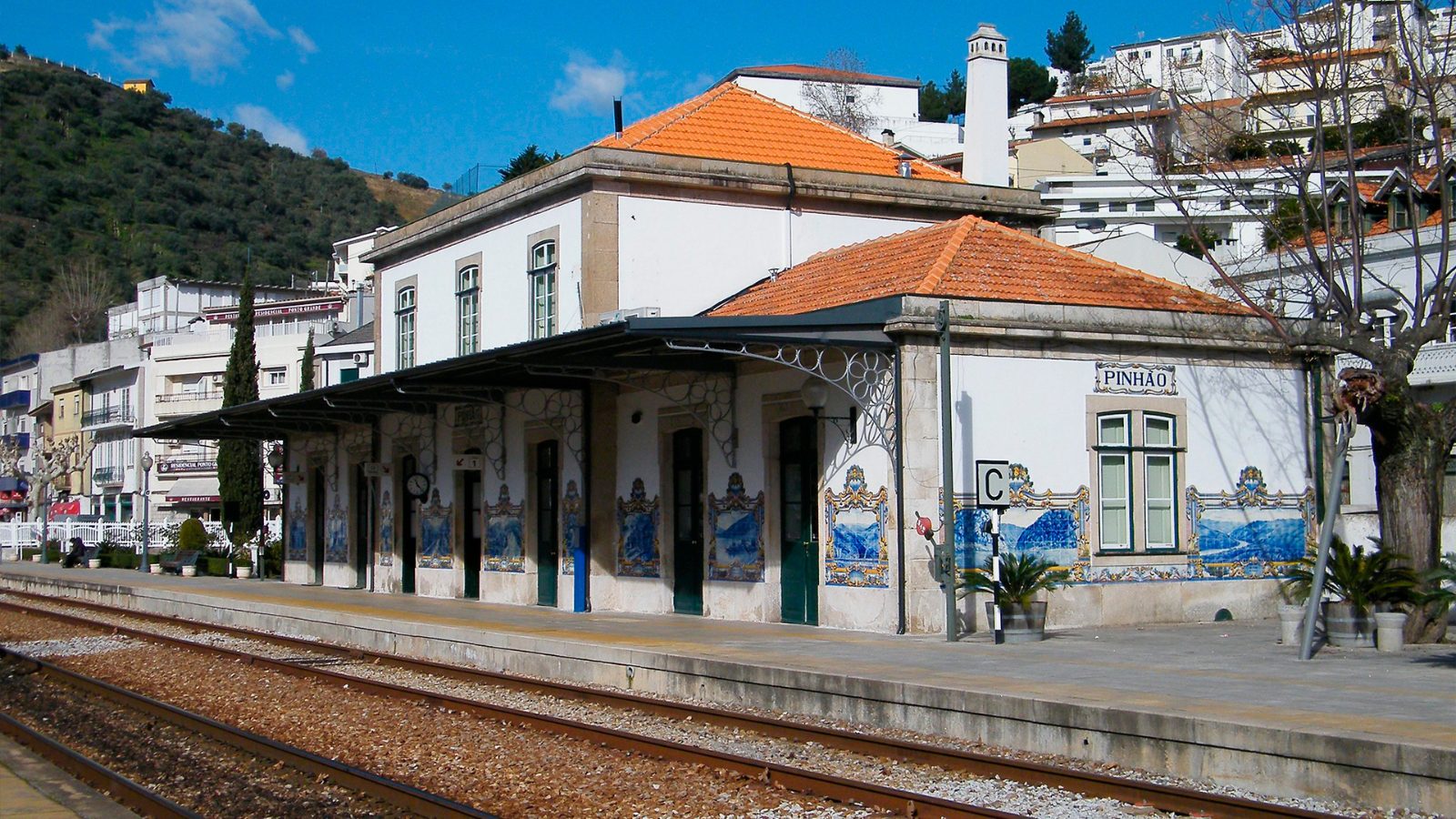
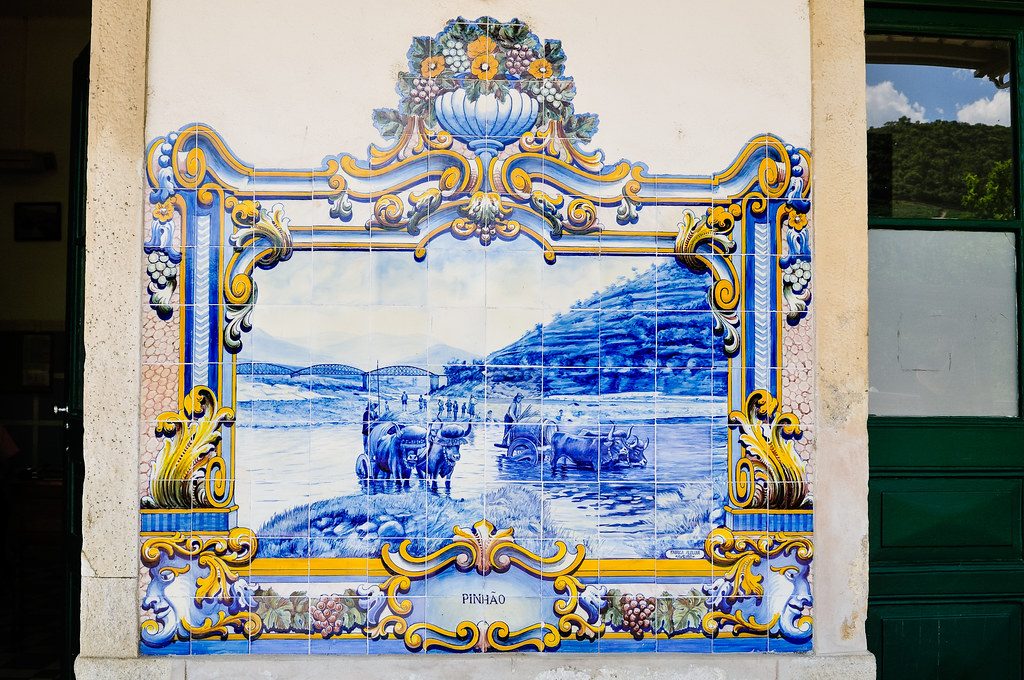
Start at the train station to view tiles.
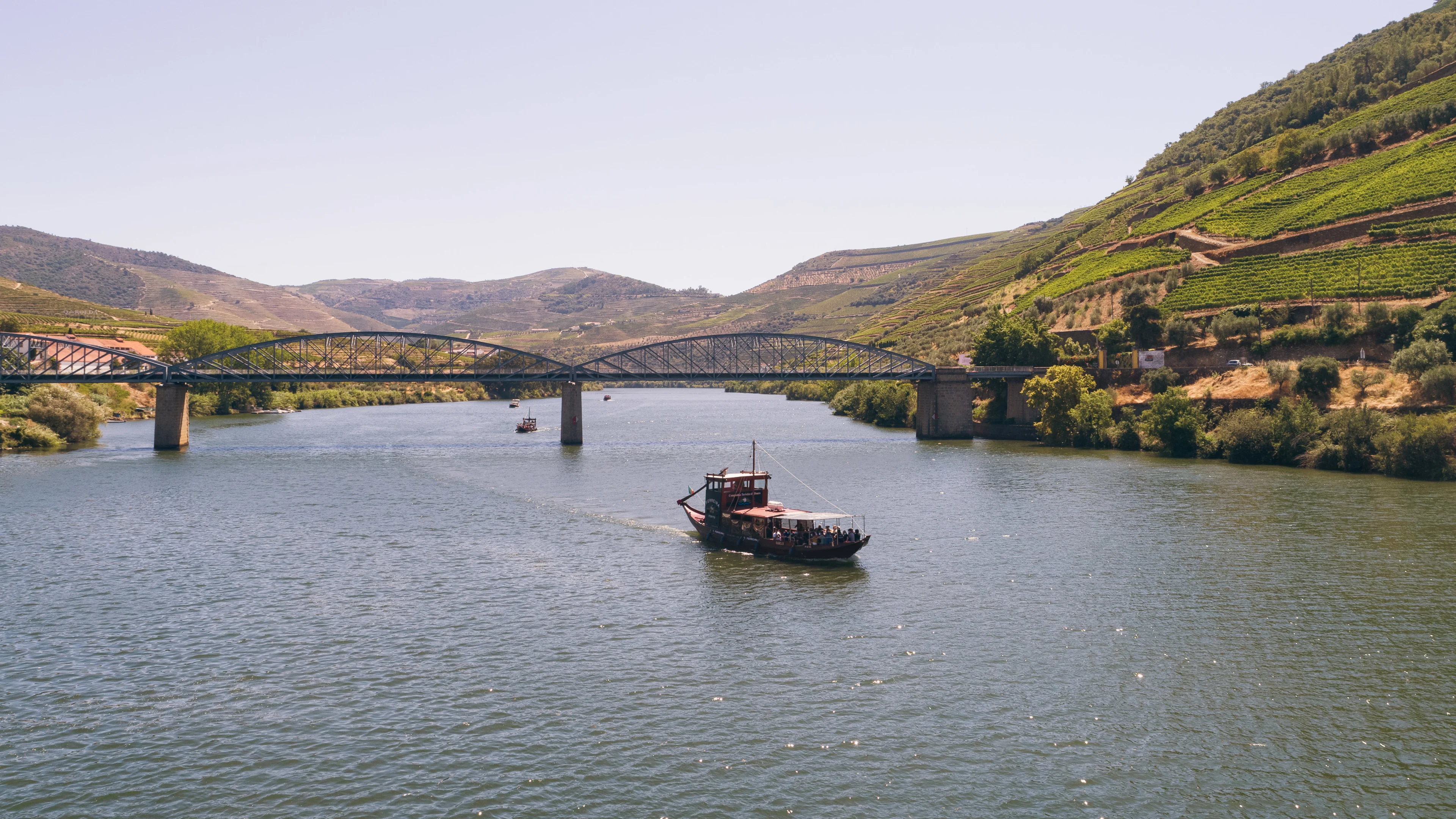
Scenic rabelo boat trip on the river.
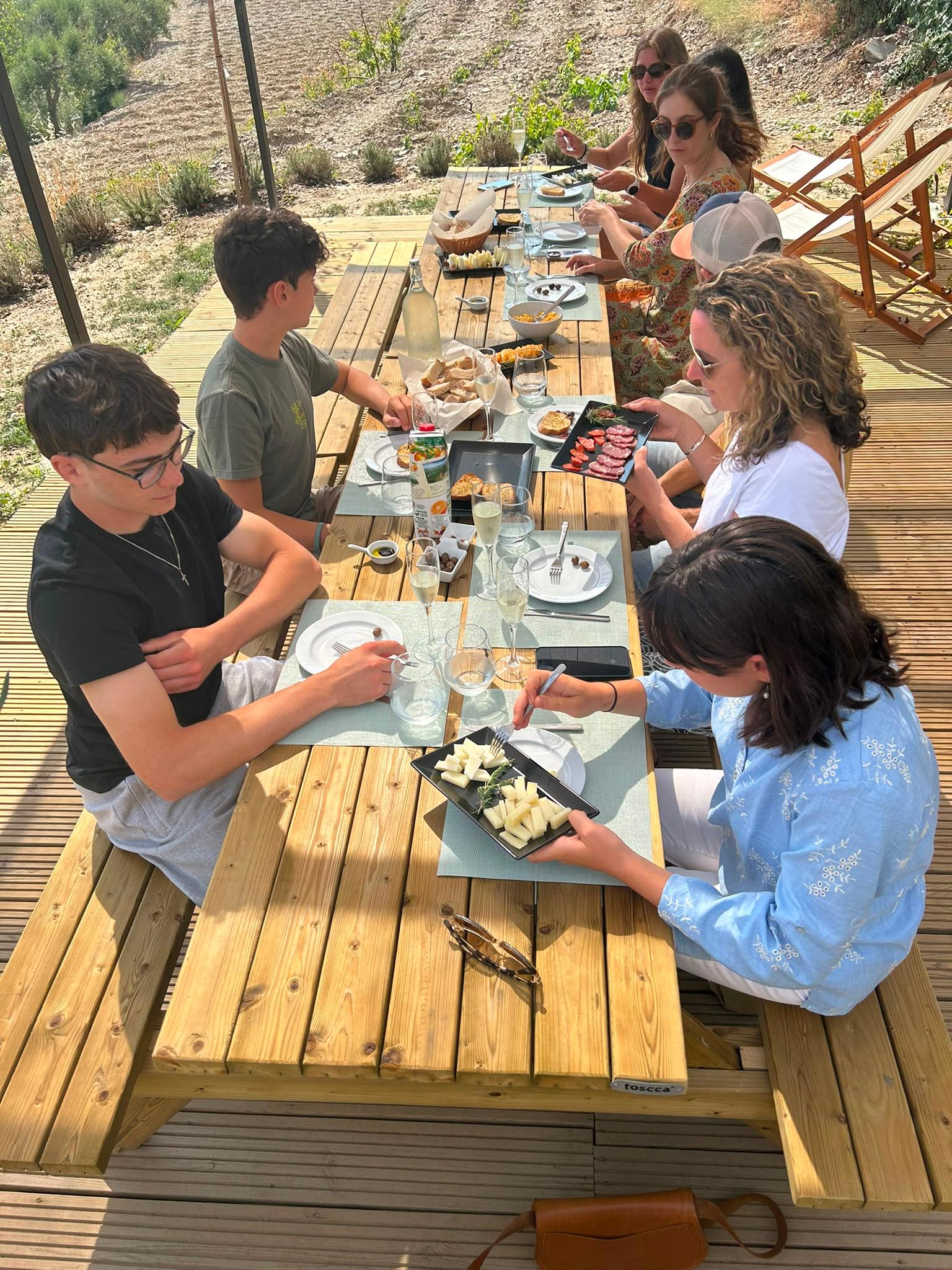
Dining at a traditional hillside quinta.
Formal port wine session and cellar tour.
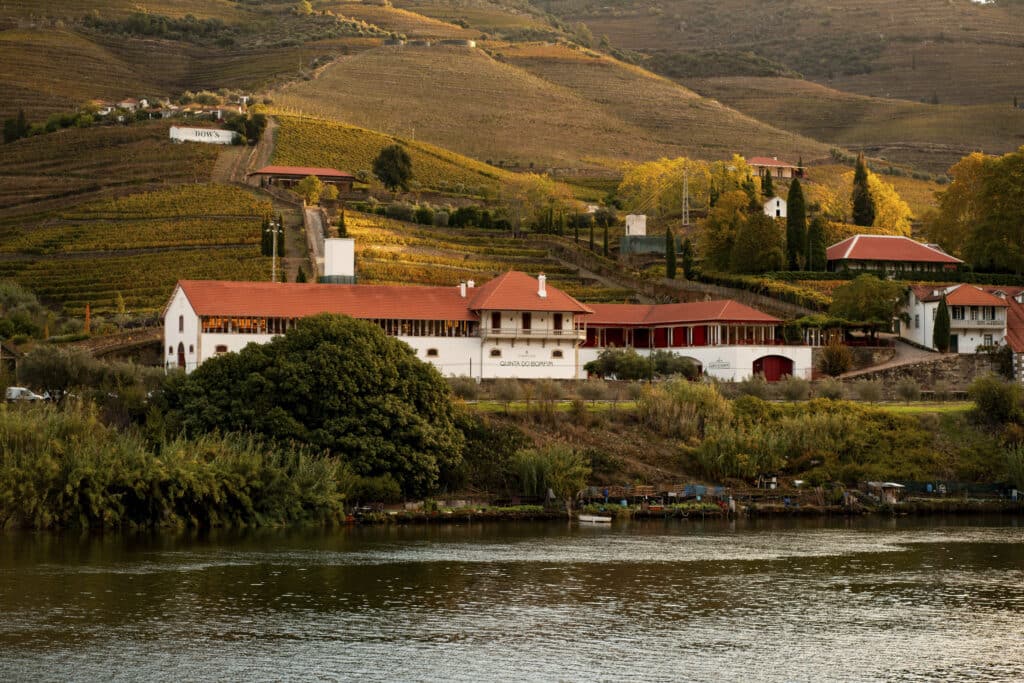
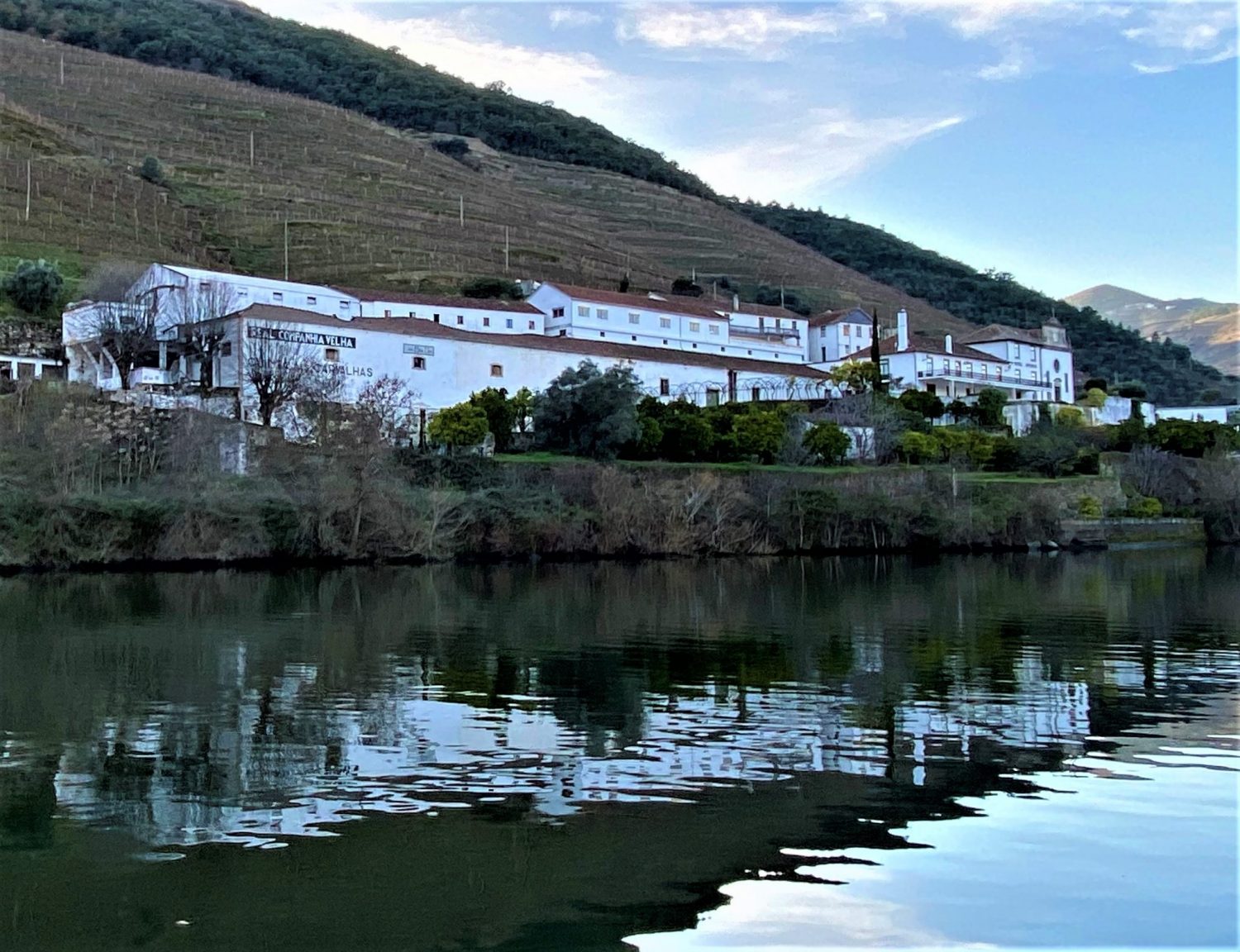
Historic estate on the northern bank famous for Dow's port production and riverside terraces.
Landmark station featuring 24 intricate azulejo tile panels depicting the traditional harvest.
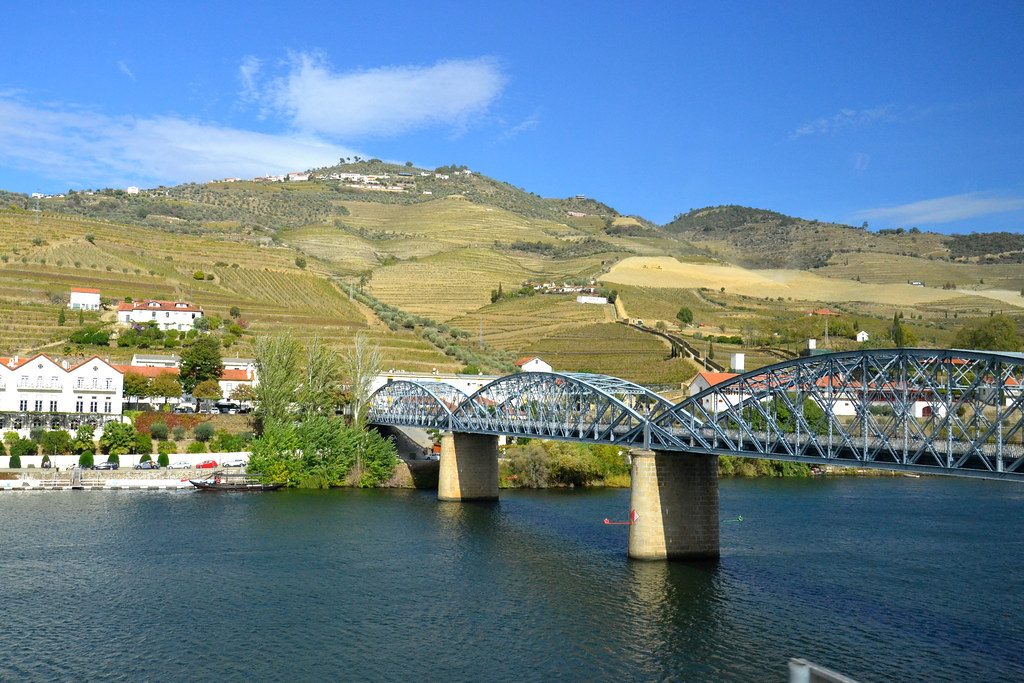
Striking iron-lattice bridge spanning the river, a feat of 19th-century engineering in the valley.
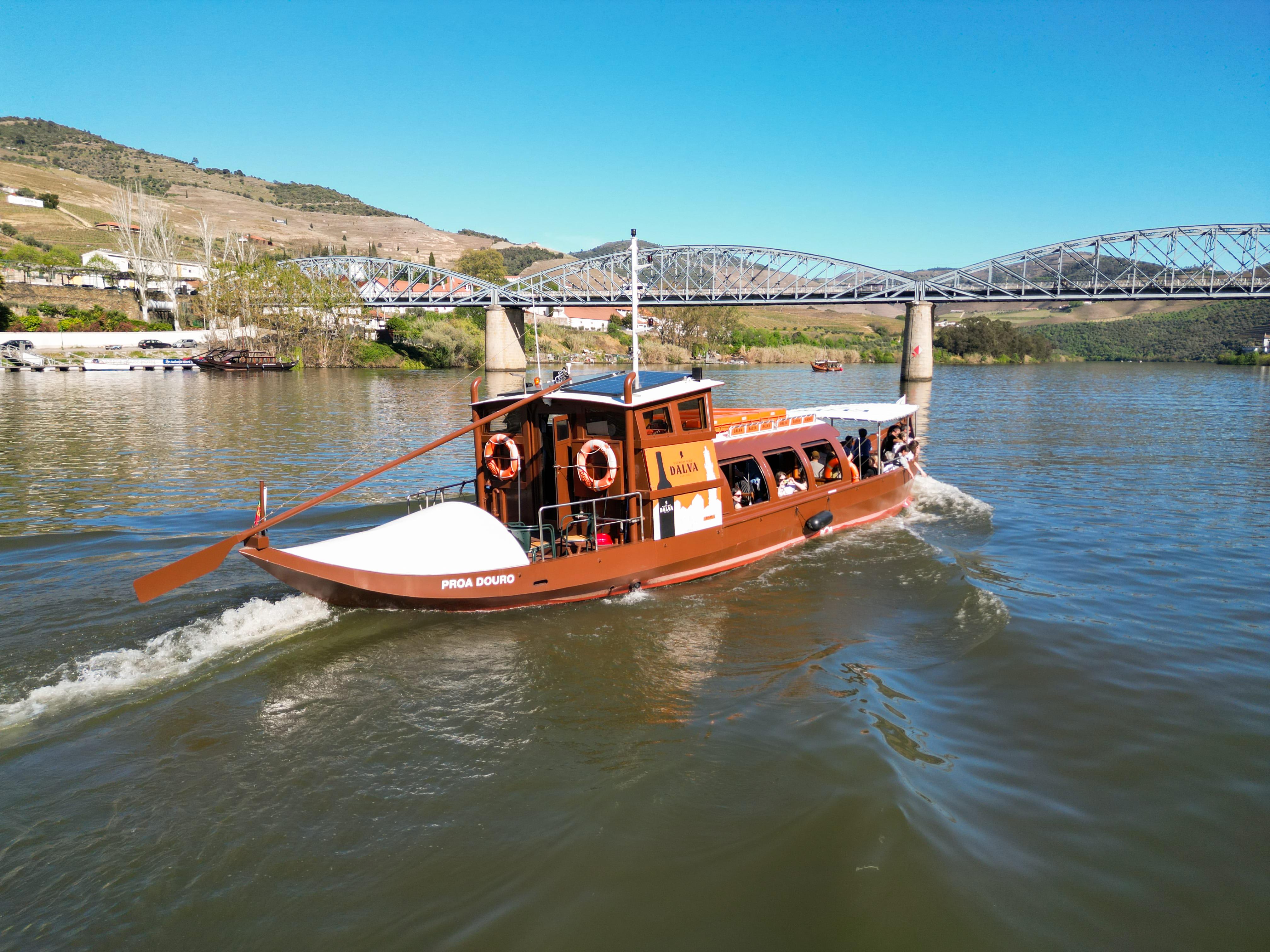
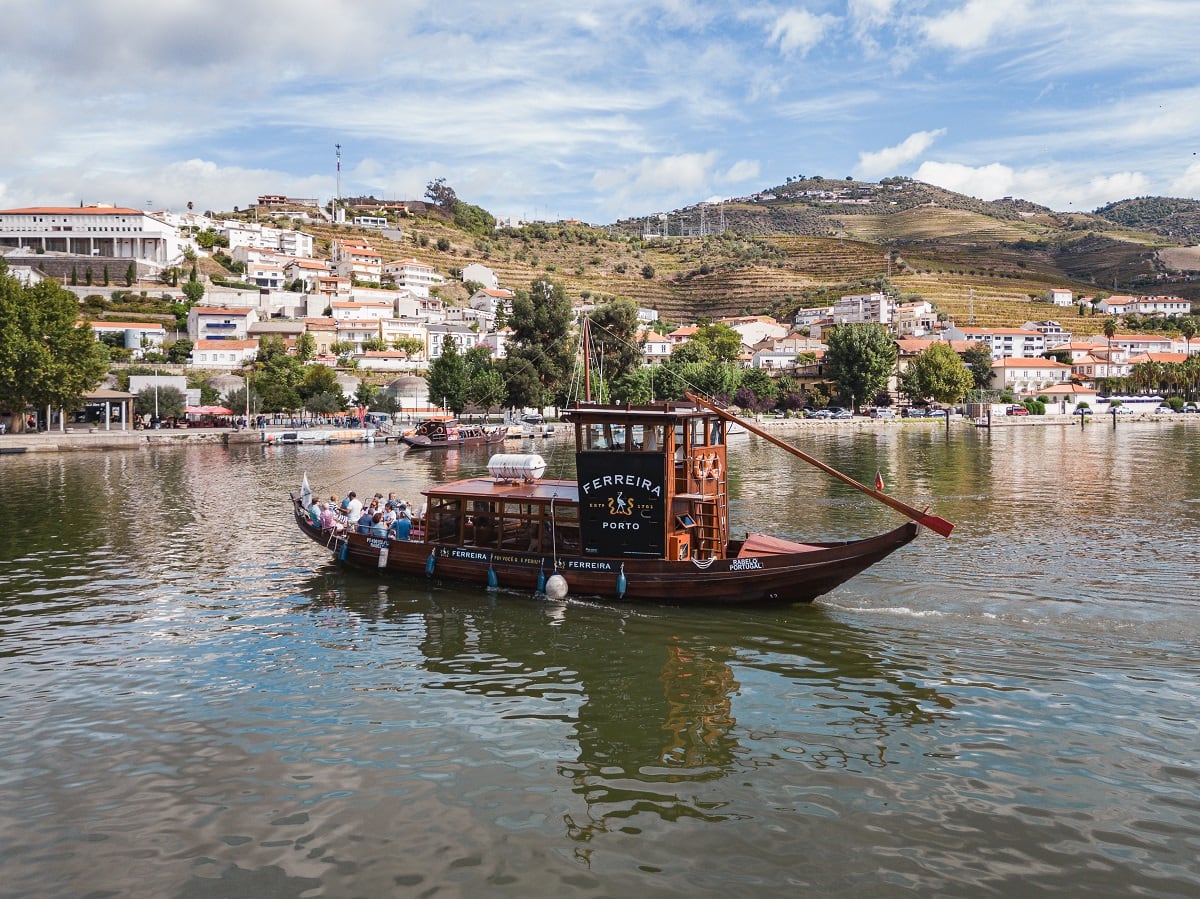
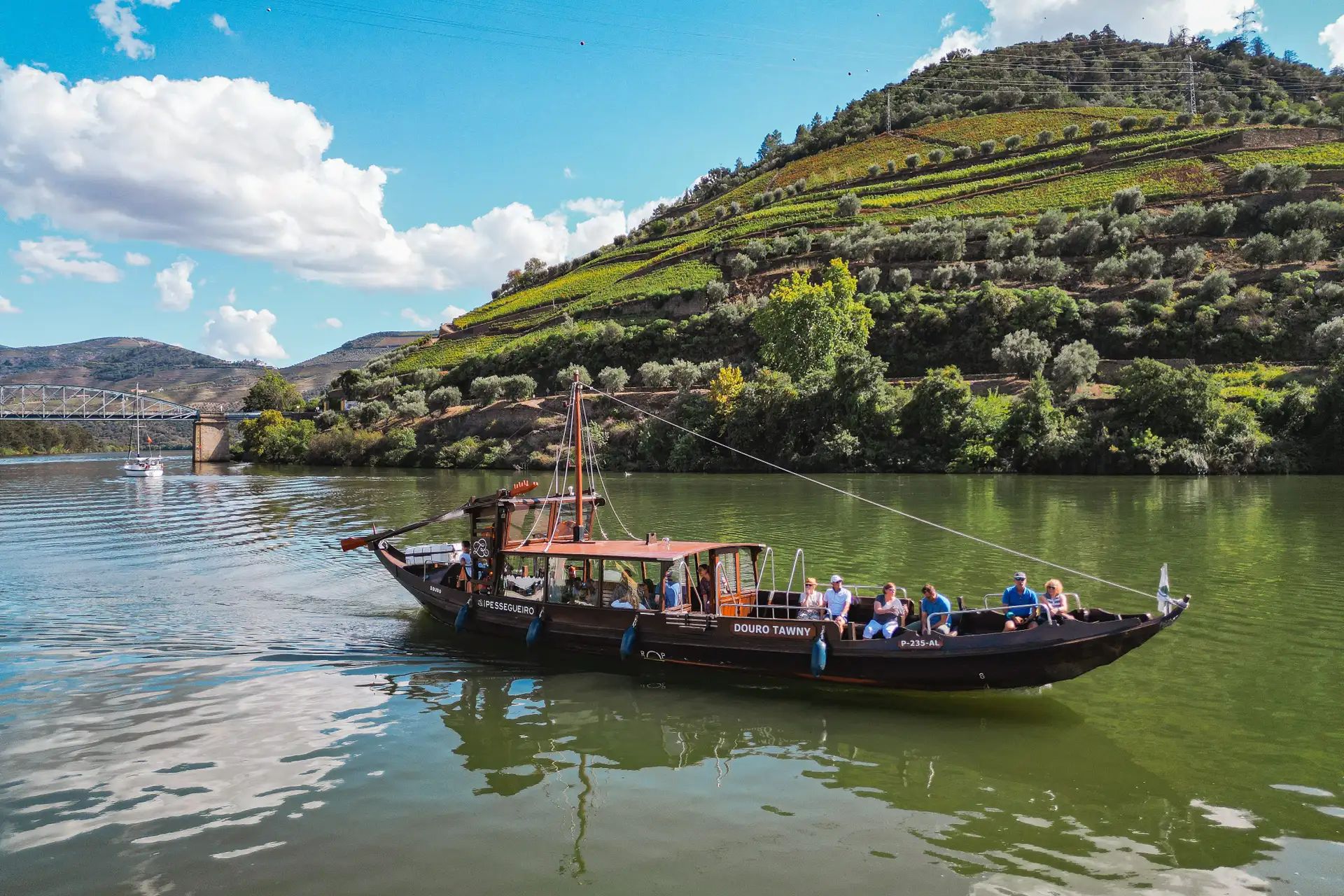
Traditional wooden vessels once used for wine transport now offer scenic water-based valley tours.
Extensive vineyard estate offering panoramic views and insights into centuries of viticulture.
You arrive at Pinhão station and walk the azulejo-lined platform, pausing at the 1937 panels that show workers hauling baskets up schist terraces. The promenade follows the river two hundred meters to the embarkation dock, where a wooden launch waits beside moored rabelo boats.
You board for a forty-minute cruise upriver, passing beneath the iron railway bridge as the guide identifies quintas by their riverside warehouses—Bomfim's whitewashed walls, Roêda's stone arches.
The boat turns at the Valeira gorge and returns to Pinhão. You transfer to a van that climbs a narrow access road, switchbacking through terraced vineyards to Quinta da Roêda's visitor center. The tasting room overlooks the valley floor three hundred meters below; you sample a white Douro DOC, a ten-year tawny, and a 2019 late-bottled vintage port while the guide explains the schist soil's heat retention and the harvest timing dictated by September sun.
You descend to the town and walk the station platform again, this time reading the azulejo captions in Portuguese. The train to Peso da Régua departs at half past four; you board and watch the terraced slopes recede as the valley widens toward the west.
All the details about your upcoming adventure in one place
Pinhão sits at the geographic center of the Douro Valley's demarcated wine region, established in 1756 as the world's first protected appellation.
The railway station, completed in 1880, carries twenty-four azulejo panels depicting harvest scenes across terraced slopes that rise three hundred meters above the confluence of the Douro and Pinhão rivers. These hand-painted tiles, installed in 1937, catalog viticultural methods predating phylloxera and the shift to grafted rootstock.
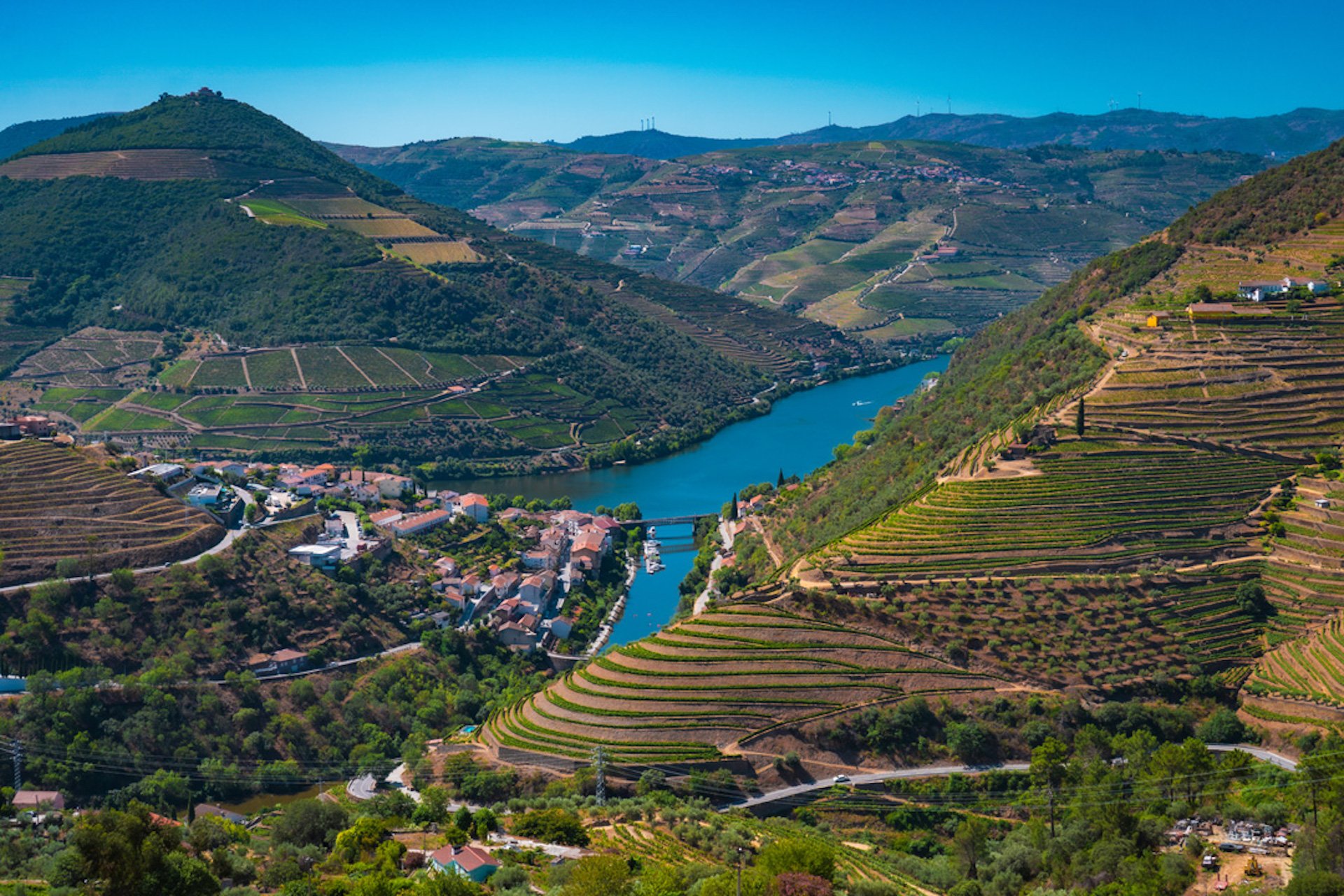
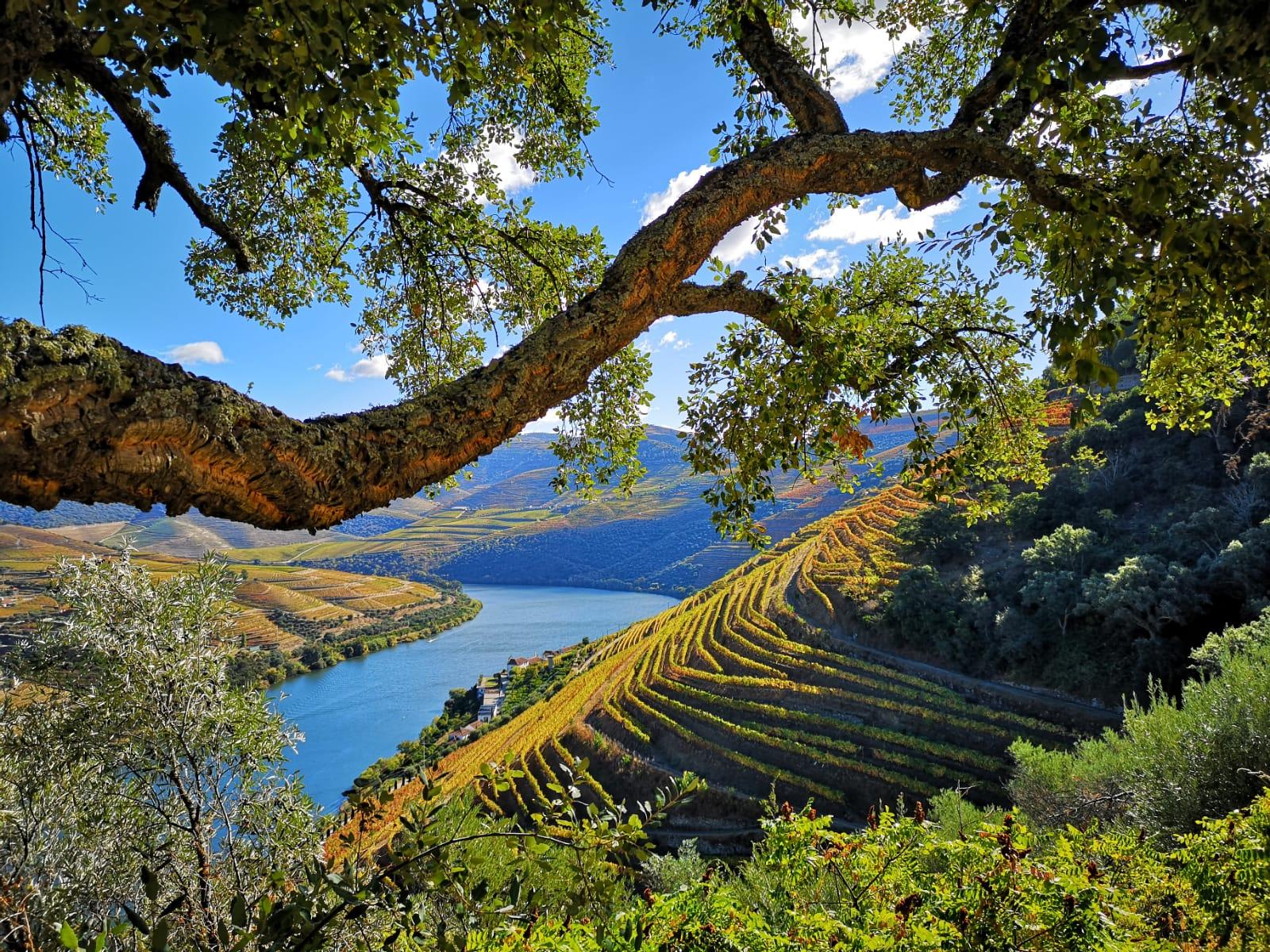
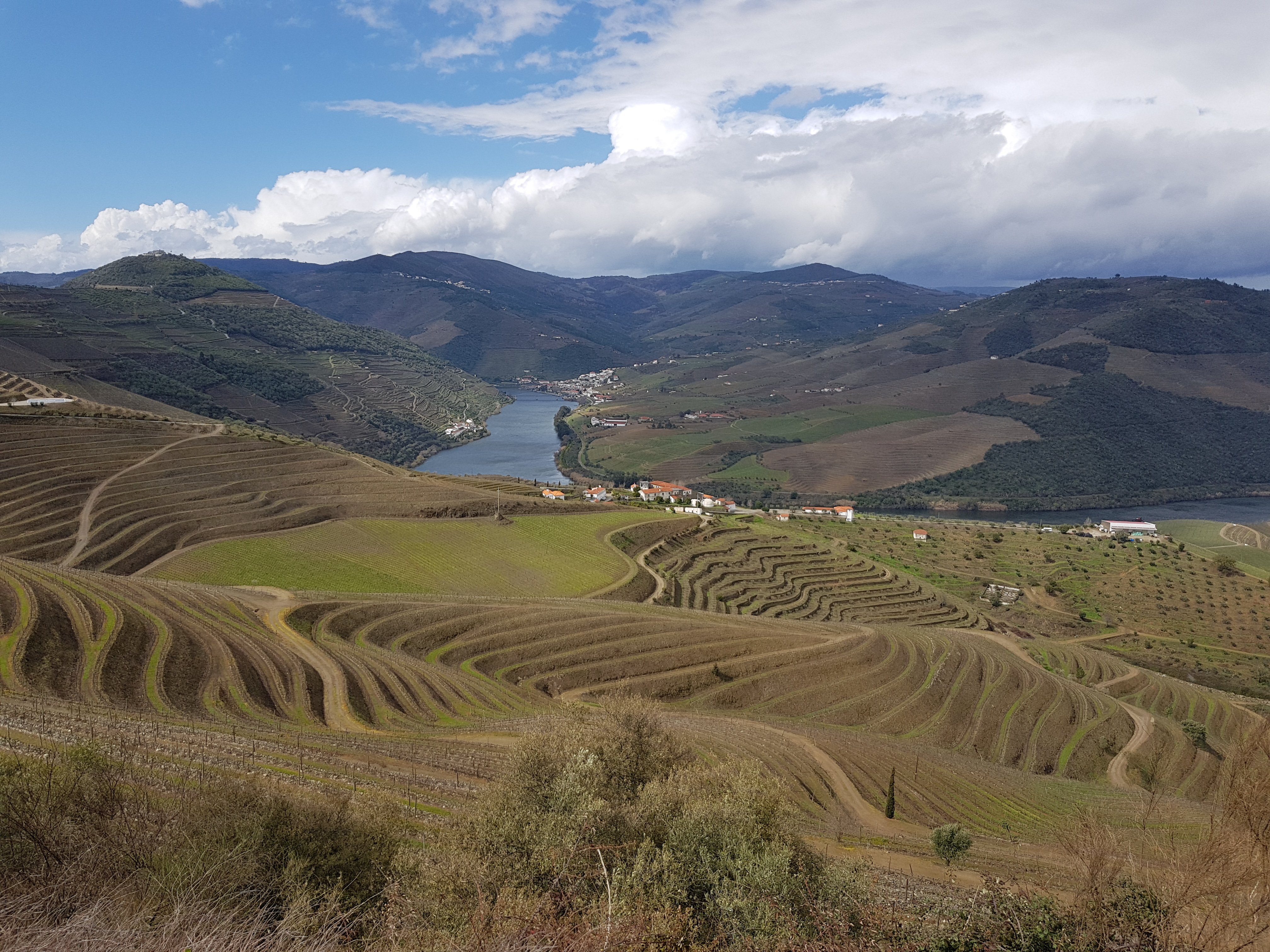
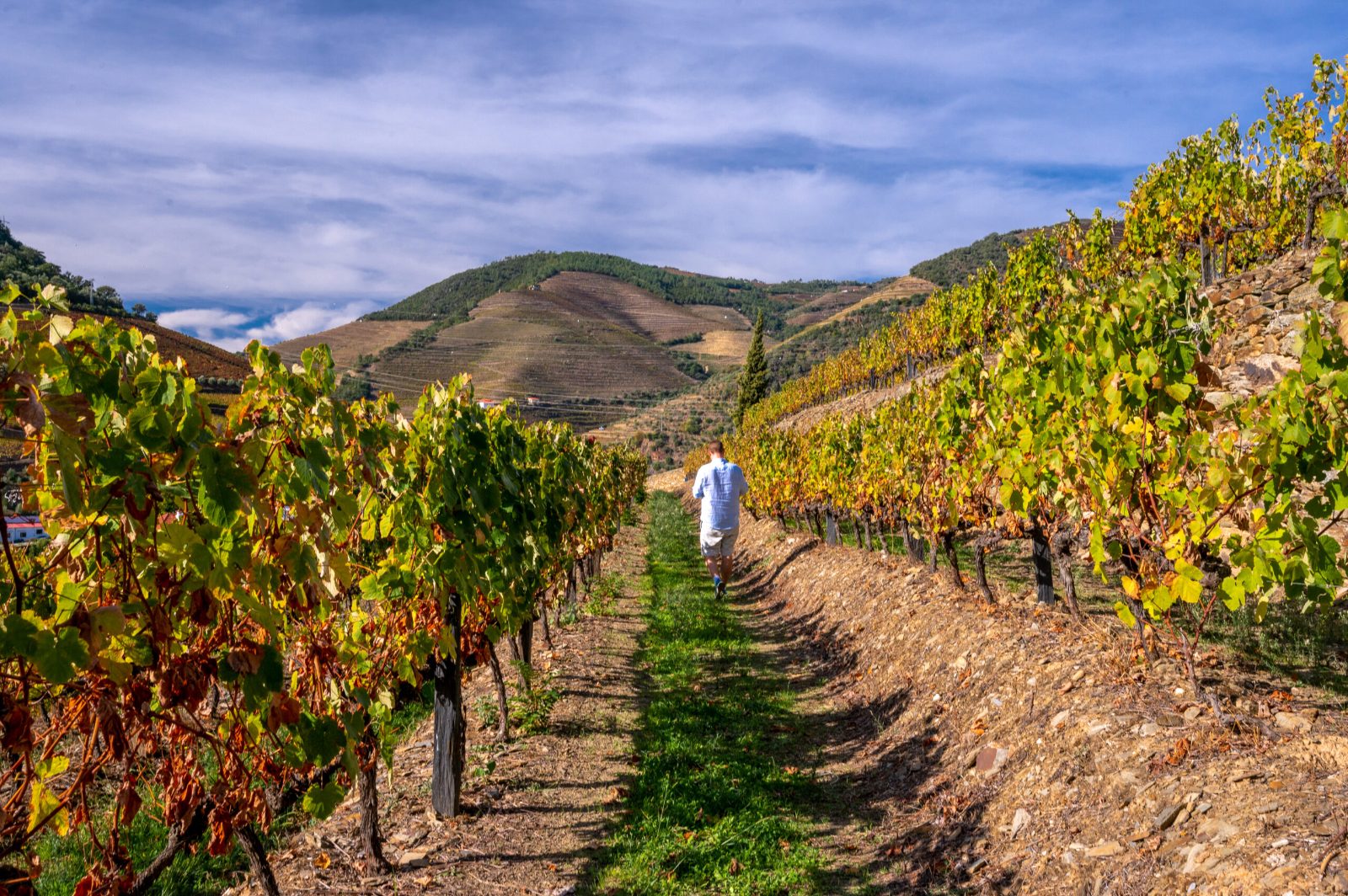
The town functions as a working hub rather than a tourist resort. Six major quintas—Bomfim, Roêda, Ventozelo, Crasto, Vallado, and Romaneira—maintain cellars and visitor centers within a five-kilometer radius. Their terraced vineyards, carved into schist slopes during the eighteenth and nineteenth centuries, produce Touriga Nacional, Touriga Franca, and Tinta Roriz grapes that define port and modern Douro DOC table wines. The river valley's microclimate, sheltered by the Serra do Marão, delivers hot, dry summers and concentrated fruit, with some parcels yielding as little as twenty hectoliters per hectare.
Douro Valley wine tours from Pinhão typically combine estate visits with river navigation. The traditional rabelo boats, once used to transport port barrels downstream to Vila Nova de Gaia, now carry visitors along a sixteen-kilometer stretch between the Bagaúste and Valeira dams. The journey passes beneath the nineteenth-century iron railway bridge and reveals the valley's engineered topography: stone-walled socalcos, gravity-fed irrigation channels, and century-old vines pruned to gnarled stumps.
Quinta cellars open daily from nine in the morning, though harvest season—mid-September through October—limits public access as lagares fill with foot-treaded grapes. Most estates offer structured tastings of three to five wines, including vintage ports aged in tonéis and tawnies matured in smaller pipas. The valley's viticultural museum, housed in a former cooperative winery, documents the region's shift from bulk production to estate-bottled wines following Portugal's 1986 European Union accession and the subsequent investment in temperature-controlled fermentation and stainless steel.
Pinhão itself holds fewer than five hundred full-time residents. The waterfront promenade, completed in 2004, links the railway station to a small marina where river cruise operators and private quintas maintain wooden launches. The town offers no major hotels or Michelin-recognized restaurants; its role remains logistical, serving as the departure point for douro valley wine tours from pinhao that reach deeper into the Cima Corgo subregion, where the valley narrows and the slopes steepen.
The railway station carries twenty-four azulejo panels depicting harvest scenes across terraced slopes that rise three hundred meters above the river confluence.
Wear comfortable walking shoes suitable for steep, uneven vineyard terrain. A light layer is recommended for the breezy river boat sections of your douro valley wine tours from pinhao.
Keep belongings minimal during your douro valley wine tours from pinhao as most estates have limited storage space. Small daypacks are generally permitted for personal essentials.
Photography is encouraged throughout the public spaces and private estates included in douro valley wine tours from pinhao. Drone usage is strictly regulated and often prohibited near vineyards.
Families are welcome, though children should be supervised on narrow vineyard paths. Some douro valley wine tours from pinhao offer grape juice tastings for younger guests.
The hilly topography of Pinhão can be challenging for those with mobility aids. Many vineyards offer accessible tasting rooms, but vineyard paths may be unpaved.
Picnicking with outside food is restricted at most private quintas visited during douro valley wine tours from pinhao. Local restaurants in Pinhão offer regional pairings.
Opening hours
09:00–18:00
Address
Pinhão, 5085, Douro Valley, Portugal
Accessibility
Public town area with varied terrain
Arrival window
09:00–11:00
Official site
https://www.visitdouro.pt
Train · 2.5 hours · Varied ticket pricing
The Linha do Douro route from Porto Campanhã reaches Pinhão directly and is highly scenic.
Car · 2 hours · Fuel and tolls apply
N222 route provides world-class views along the Douro riverbank.
Individual wineries set their own cancellation terms for douro valley wine tours from pinhao. Please verify specific booking confirmation details as entrance fees to Pinhão itself are 0 EUR.
Recommended time
Half a day to full day
To experience the best of the region, we recommend arriving between 09:00–11:00 to avoid mid-day heat and large group tour crowds arriving from Porto. Booking douro valley wine tours from pinhao allows you to explore historic quintas and terraced vineyards at a relaxed pace. Whether you require douro valley wine tours from pinhao tours for a brief tasting or douro valley wine tours from pinhao tickets for extensive estate access, allocating a full day ensures you can savor the local port wine production and scenic river views without feeling rushed. Securing douro valley wine tours from pinhao tour arrangements early keeps your schedule flexible.
Crowd levels through the day
Weather · crowds · average price — dots go green to amber to red as each metric rises.
Mild temperatures and blossoming vines make for pleasant walking and touring conditions.
Expect high heat and peak river traffic; schedule vineyard tours for early mornings.
The harvest season offers lively vineyard activity and cultural festivals for your douro valley wine tours from pinhao.
Quiet and serene, perfect for intimate cellar tastings without the crowds.
Always reserve your douro valley wine tours from pinhao in advance for the harvest season.
Visit in the early morning to avoid large group tour crowds arriving from Porto.
Skip the heels; the cobblestone streets and terraced vineyards demand sturdy footwear.
Use the local tourism kiosk at the pier for up-to-date regional bus or boat schedules.
Stay hydrated, as the valley’s microclimate can be significantly hotter than the coast.
R. António Manuel Saraiva 14, Pinhão
Iconic tile-clad departure point.
Get directionsThe Douro Valley earned its demarcation in 1756, making it the world's first legally protected wine region. Sebastião José de Carvalho e Melo, the Marquis of Pombal, ordered 335 granite pillars driven into the hillsides to mark the boundaries after English merchants began adulterating port with elderberry juice. The royal decree fixed prices, banned fraud, and reserved the valley's schist-terraced slopes for premium wines shipped downriver to Porto. Pinhão sat at the geographic center of this new monopoly, a sleepless river port where flat-bottomed barcos rabelos loaded oak pipes under torch light. Phylloxera arrived in 1868 and stripped two-thirds of the valley's vines within a decade. Replanting on American rootstock began in the 1880s, but the railway reached Pinhão first, in 1880, obsoleting the rabelo fleets. The station's azulejo panels, installed in 1937, depict the hand-harvest and river transport that had already vanished. Terraces abandoned during the blight were reclaimed slowly; by 1950 cooperative wineries consolidated small growers, and by the 1980s single-quinta estates began bottling vintage port under their own labels instead of selling to shippers. UNESCO inscribed the Alto Douro Wine Region in 2001, citing two millennia of viticulture and the engineered landscape of stone-walled socalcos. Douro valley wine tours from pinhao expanded as quinta gates opened to visitors seeking the origin of their bottles. Today the valley produces table wines alongside fortified port, and douro valley wine tours from pinhao tours depart daily from the town's riverfront, reaching estates that were closed to outsiders a generation ago. The schist that holds summer heat, the autumn harvest, and the river itself remain unchanged since Pombal's decree.
Marquis of Pombal demarcates the Douro as the world's first protected wine region, installing 335 boundary stones.
Phylloxera louse destroys two-thirds of the valley's vines; replanting on resistant American rootstock begins.
Railway reaches Pinhão, ending the era of barco rabelo river transport to Porto.
Pinhão station receives its azulejo tile panels depicting traditional harvest and barrel loading.
Single-quinta estates begin estate-bottling vintage port, bypassing traditional shippers.
UNESCO designates the Alto Douro Wine Region a World Heritage Site for its cultivated landscape.
Quintas open tasting rooms and cellar tours, establishing Pinhão as the valley's visitor hub.
Capture the historic blue and white azulejo panels depicting harvest scenes on the station facade. Stand back near the platform entrance to frame the entire wall without obstruction.
This location offers a wide perspective of the Douro River reflecting the steep, terraced slopes. Position your camera along the water edge to include the traditional rabelo boats often docked here during douro valley wine tours from pinhao.
Walk the vineyard paths to find an elevated angle overlooking the river bend. Access is available through the estate, providing a quintessential vantage point for those booking douro valley wine tours from pinhao tickets.
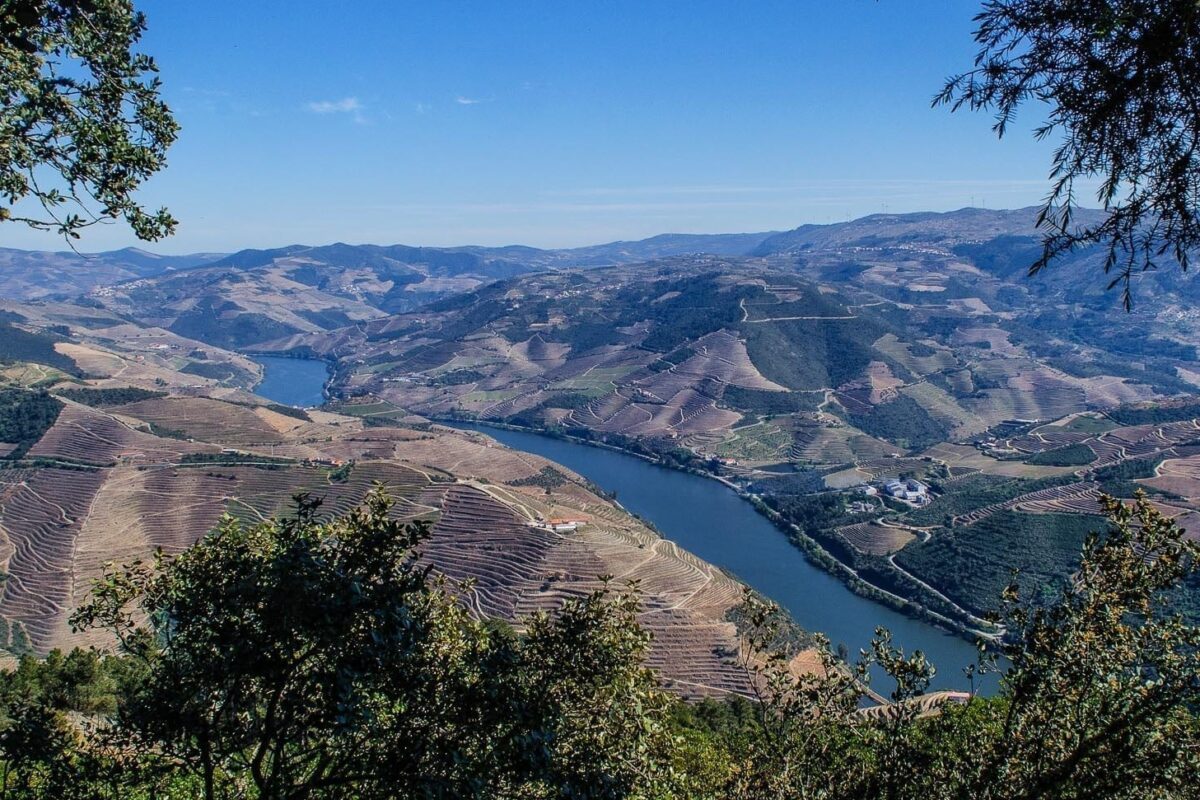
While located a short drive from the town, this spot provides a vast panoramic vista of the valley floor. It is a preferred site for guests finishing their douro valley wine tours from pinhao tour to photograph the winding river.
Planning douro valley wine tours from pinhao with children requires a focus on flexible pacing and hydration during the warm autumn months. Navigating the terraced hills of this UNESCO World Heritage region is rewarding when you prioritize outdoor exploration near the riverbanks.
Most historic quintas have uneven cobblestone paths or steep vineyard slopes, so a sturdy hiking carrier is more practical than a stroller for your douro valley wine tours from pinhao tours.
The best arrival window is 09:00–11:00 to ensure you can explore the region before the heat intensifies. Expect a relaxed pace, as many vineyard estates are spacious and offer ample room for children to move safely.
Public restrooms are available in the town center at Pinhão, 5085, but private winery facilities vary; check if your specific douro valley wine tours from pinhao tickets include access to modern amenities.
Pack snacks and water, as local harvest activities can make busy periods unpredictable for dining. Many estates offer outdoor spaces suitable for a family picnic while you enjoy the regional viticulture.
Ensure you review all douro valley wine tours from pinhao tour options carefully, as age restrictions for tasting activities are common at many historical estates.
Finding a meal near douro valley wine tours from pinhao is straightforward, as the town center offers several traditional eateries within walking distance of the railway station. Visitors can enjoy local Douro gastronomy while reflecting on their vineyard visits, though arriving during the best arrival window of 09:00–11:00 helps you secure reservations at popular spots before the lunch rush.
This cozy spot specializes in home-style Portuguese cooking and regional petiscos, making it a reliable choice after douro valley wine tours from pinhao tours. Reservations are recommended as seating is limited for groups.
Everything you need to know for your journey
Most wineries and regional points of interest operate between 09:00–18:00 daily. Always check specific estate hours before travel.
Yes, especially during the harvest months of September and October, advance booking for your douro valley wine tours from pinhao is highly recommended.
Pinhão is easily accessible by the Linha do Douro train line or by driving along the scenic N222 road.
Families are welcome, though be mindful that vineyard paths may be difficult for strollers and require supervision.
We recommend an arrival window of 09:00–11:00 to avoid mid-day heat and large group crowds.
No, Pinhão is a public town with 0 EUR entrance fee; individual wineries set their own tasting or tour prices.
Photography is generally allowed, but please respect privacy and avoid drone usage near the working vineyards.
Pack comfortable walking shoes, sunscreen, and a light jacket for river boat tours.
Many tours include tastings, but full meals are usually booked separately; check your specific tour inventory for details.
Policies are set by the individual operators for each tour; refer to your specific booking confirmation for refund terms.
Famous for 24 azulejo tile panels depicting wine life.
Main hub for traditional rabelo boat departures.
Historic estate known for legendary vintage port production.
Architecturally significant iron bridge spanning the river.
Riverside historic hotel in a former wine estate.
Centrally located with stunning valley views.
Affordable stay for independent regional travelers.
Join thousands of happy travelers who have discovered this incredible experience
Book Your Experience Now