
Quick answer
Douro valley wine tours transfers connect visitors from Porto, Régua, or Pinhão to winery estates via private drivers, shared shuttles, or train-and-transfer packages. Private vehicles offer door-to-door flexibility for 1–8 passengers; shared shuttles link railway stations to clusters of quintas on fixed schedules. Most operators recommend booking 48–72 hours ahead during harvest season (September–October) when demand peaks and smaller estates limit walk-in access.
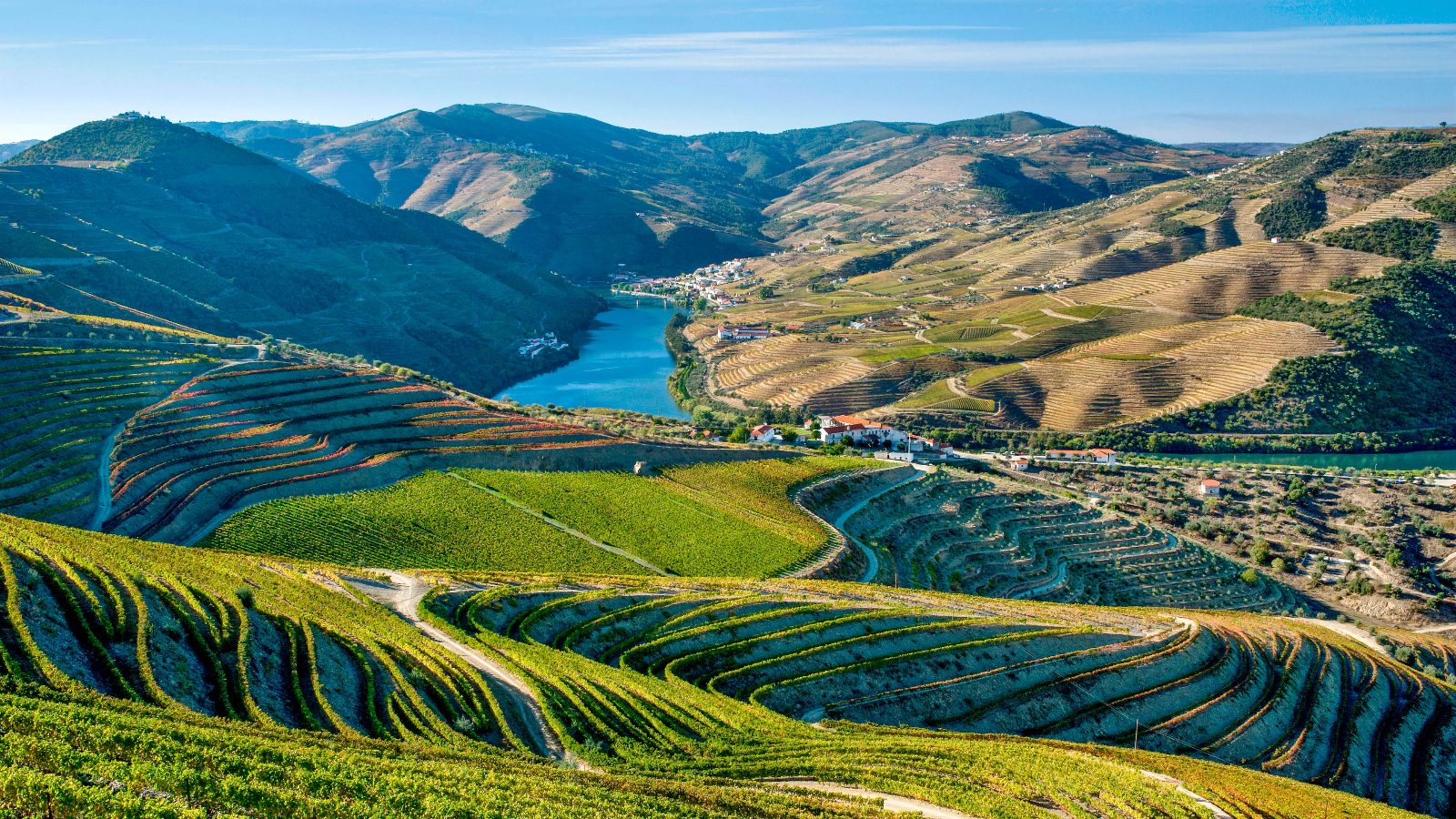
More than 80 percent of Douro Valley wineries lie beyond walking distance of any public transport stop, tucked into terraced slopes reachable only by winding single-lane roads that climb hundreds of meters above the river. That geography makes coordinated transfer services the practical backbone of any multi-estate tasting itinerary. Private transfers dominate the upper end: sedans and minivans depart Porto, Régua, or your accommodation, follow a custom route across two to four quintas, and return you after the final tasting. Drivers navigate the valley's switchbacks, manage appointment timing, and adjust for spontaneous stops at viewpoints like São Cristóvão or the Casal de Loivos miradouro. Capacity ranges from solo travelers to groups of eight; vehicles are pre-stocked with water and often include a midday restaurant drop at Peso da Régua or Pinhão. Pricing reflects distance, group size, and the number of estates on the route, with half-day itineraries centered on Pinhão costing less than full-day circuits stretching to the Spanish border near Barca d'Alva. Shared shuttle networks serve budget-conscious visitors and those arriving by rail. These services run fixed loops from Pinhão and Régua train stations to clusters of participating wineries—typically three to five estates within a 15-kilometer radius—on morning and afternoon schedules. Passengers book individual seats rather than chartering the entire vehicle, and departure times align with intercity train arrivals from Porto. The trade-off: less routing flexibility and tighter appointment windows, since the shuttle moves on whether your tasting is complete or not. Hybrid train-and-transfer packages pair scenic rail journeys along the Douro Line with prearranged pick-ups at riverside stations. You board in Porto's São Bento station, ride two hours through the valley's UNESCO-protected landscape, disembark at Pinhão or Pocinho, and meet a driver holding your estate itinerary. Return transfers deliver you back to the platform in time for evening departures. This combination appeals to visitors who want the rail experience without the logistical burden of coordinating separate bookings, and it eliminates the need for overnight parking in Porto. Advance reservation windows tighten during harvest months and holiday weekends. Private operators block out popular September and October dates weeks ahead as harvest logistics occupy winery staff and reduce available tasting slots. Shared shuttles cap seat inventory to match vehicle capacity, and last-minute walk-ups often find morning departures sold out. Early booking—48 to 72 hours minimum—secures preferred time slots and prevents same-day scrambling when estates close unexpectedly for private events or bottling runs.
“More than 80 percent of Douro Valley wineries lie beyond walking distance of any public transport stop, reachable only by winding single-lane roads that climb hundreds of meters above the river.”
Navigating Douro Valley Wine Tours Transfers and Transportation
The Douro Valley is located in the Alto Douro region of Portugal and is most easily accessed from Porto. Travelers can choose between rail connections, road travel, or organized transfers to reach the wine estates.
Linha do Douro from Porto Campanhã to Peso da Régua or Pinhão
A4 and A11 motorways from Porto
Direct route from Porto city center to winery destinations
Entrance Fees and Costs for Douro Valley Wine Tours Transfers
The Douro Valley region is free to enter, so there is no general admission fee for the area. Costs for wine tours and private transfers are set independently by individual operators.
While the region itself is free to enter, actual costs vary significantly based on your choice of specific winery tours and private transfer providers.
Operational Hours for Douro Valley Wine Tours Transfers
The Douro Valley region is accessible for wine tour transfers daily throughout the week. Operational availability for specific wineries and transfer services remains constant across all seven days.
| Monday | 00:00–23:59 | |
|---|---|---|
| Tuesday | 00:00–23:59 | |
| Wednesday | 00:00–23:59 | |
| Thursday | 00:00–23:59 | |
| Friday | 00:00–23:59 | |
| Saturday | 00:00–23:59 | |
| Sunday | 00:00–23:59 |
Pre-Visit Checklist for Douro Valley Wine Tours Transfers
Confirm these details weeks before your visit to secure winery access and avoid scheduling conflicts.
-
Book winery tours and tastings in advance — Many quintas require reservations and fill quickly during peak season.
-
Confirm pickup times with your transfer provider — Coordinating schedules ensures you arrive at each estate on time.
-
Check individual quinta policies on children and pets — Some estates restrict access or require advance notice for minors.
-
Verify lunch reservations if touring multiple estates — Many full-day itineraries include midday stops that need separate booking.
-
Pack sunscreen and a hat for terrace tastings — Outdoor vineyard views and tasting areas offer little shade in summer.
-
Bring layers for temperature changes — Cellars stay cool year-round while terraces and coaches can be warm.
-
Download offline maps of the Alto Douro — Mobile signal weakens in remote vineyard areas between major towns.
Check availability
Frequently asked questions about Douro Valley wine tours transfers
Everything you need to know about douro valley wine tours transfers